Advanced Facilities
Catalyzing Elements, Architecting Tomorrow





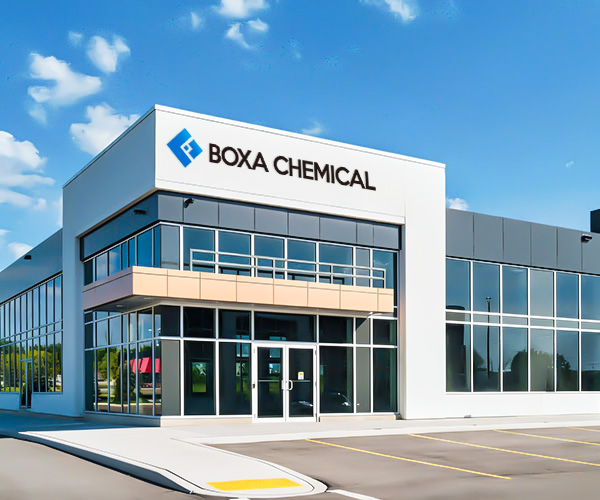
Corporate Information
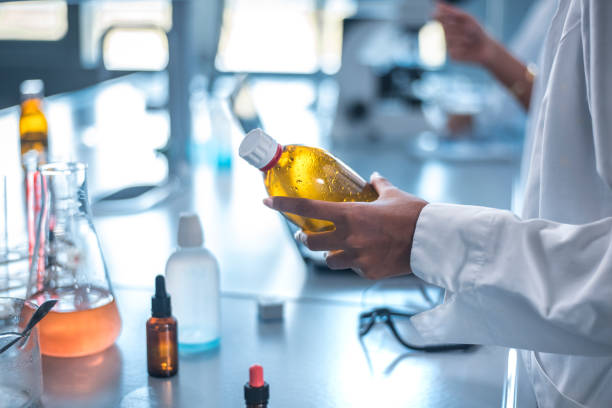
Adhering to the philosophy of "high-quality products, first-class service, and growing together with our customers," Boxa Chemical Group Ltd continuously enhances its comprehensive professional capabilities, consistently providing customers with satisfactory chemical products and services, and growing stronger by helping its customers achieve success.
-
-
Quality Assurance
-
Expert Production
-
Custom Formulation
20
Years Established
300
Custom Solutions
60
Countries Served
99
Customer Satisfaction
Where Molecules Meet Industry




News & Blog

How to Choose the Right Vinyl Resin for Coatings and Inks
Choosing the right vinyl resin for coatings and inks often feels like picking the right tool for the job. My own experience working in industrial paint shops taught me just how much the wrong resin can turn a simple task into a headache. Not all resins cope with every type of paint or weather exposure, and picking on price alone leads to trouble down the road. Factories in the U.S. use vinyl resins because they toughen up a coating and help it last through handling, moisture, and sunlight. According to research from CoatingsTech Magazine, resin quality can directly affect not just gloss and adhesion, but also cracking and yellowing over time. A poor match sometimes means a new paint job only looks good for a few months before peeling starts. I’ve watched small shops save money by picking basic resin blends, only to spend more sanding and repainting surfaces within a year.In my hands-on work with automotive and wood finishes, I learned that you need to decide if your resin stands up to chemicals, weather, or tough cleansers. For instance, vinyl chloride-vinyl acetate copolymers resist water and oils — a big deal for kitchen cabinets or metal tools. If you only need protection from minor spills or scuffs, an all-purpose resin often does the job, but heavy exposure to grease or outdoor conditions calls for specialty blends with higher chloride content. Data from industrial safety labs shows that coatings with less vinyl content tend to lose adherence and gloss when exposed to common cleaning solvents. For ink makers, the story changes a bit. Printers dealing with flexible packaging turn to vinyl resins that stick to poly films, avoiding the headaches of ink smudging or poor drying times. If you’re printing labels for frozen foods, you don’t want ink bleeding in the freezer, so choosing a cold-resistant, high-molecular-weight resin actually becomes a make-or-break decision. Most small manufacturers ignore this, only to get complaints from customers when ink rubs off their packaging.Anyone who’s mixed paint or ink at work knows that not all powders or liquids blend the same. Clumping or separation spells trouble and wastes materials. In my time apprenticing under a seasoned coatings chemist, I saw how picking vinyl resin with the wrong tackiness or melting point leads to gritty finishes or splotchy printing. The American Coatings Association ran studies showing that higher-purity vinyl resin helps coatings flow onto metal and plastic surfaces without pinholes or streaks. I’ve walked through plant lines where poor resin selection forced workers to reapply topcoats several times before getting a consistent color. Those hoping to speed up drying time discover that low-viscosity resins cut wait times nearly in half. Ink producers who use inferior resin blends get a spike in print rejects and complaints about image clarity, affecting both waste and reputation. My brother’s work in environmental compliance has often highlighted just how important it becomes to choose resins that don’t release toxic fumes or run afoul of new rules. U.S. EPA guidelines now flag many older resin formulas for high VOCs, leading to fines and product bans in California and New York. Journal of Cleaner Production reports that low-VOC resins cut air pollution for both workers and end-users. Back in the paint store, I noticed that brands with safer, certifiable vinyl resins sold faster after new safety regulations passed. Users in schools, hospitals, and even children’s toys all ask for cleaner, safer coatings, so picking a resin that passes today’s standards means fewer problems with future recalls or negative reviews.I’ve lost more hours than I care to admit fixing cheap coatings that don’t perform as promised. Business owners who opt for cut-rate resins often call me months later with bubbling paint, chipped signs, or faded metal. The cost savings disappear under warranty repairs and customer complaints. Data from IBISWorld highlights how industry leaders focus on total lifecycle cost — richer vinyl resin blends reduce callbacks and guarantee repeat orders. In my experience, the right resin slashes repainting frequency and lets factories run longer production schedules with fewer stops for rework. Lab tests back up what workers see every day: higher-quality resins minimize surface defects and hold color longer. Through trial and error, I’ve found that talking directly with resin suppliers and reading detailed spec sheets uncovers real differences between brands that might look identical at first glance. Attending trade shows and talking with application engineers gave me insights you simply don’t get from sales brochures — I learned to request samples and test them under real shop conditions before switching suppliers. Relying on feedback from clients, especially whose jobs face tough weather, saved me from a few expensive mistakes. I found value in joining online forums and connecting with other paint and ink pros, which brought up new blends and performance tricks that kept me ahead of compliance changes. In shops where every dollar counts, I suggest balancing upfront price with the proven history of a resin’s performance in conditions just like yours.The world of vinyl resin keeps changing as clients demand safer, tougher, and greener products. My years of mistakes and successes taught me the value of keeping up with trade journals, materials news, and safety alerts, especially from groups like the American Coatings Association. Coordinating with both suppliers and clients means adapting choices as new coatings and resin technologies hit the market, often improving durability or lowering environmental impact. For anyone making coatings or inks, keeping an open line with experts and regularly reviewing what works best in your own production line pays off with better performance and fewer headaches. Every improvement, big or small, starts by choosing a vinyl resin that brings lasting value and trust from those who use your products every day.
Read More
Key Factors When Selecting Acrylic Resin for Ink Formulations
In daily work with acrylic resin, the actual performance of an ink on press has always pointed to the need for carefully balancing chemistry with functional results. Inks live and die by how well they transfer onto real surfaces—packaging, paper, film, even tough materials like metal. When selecting an acrylic resin, years of experience remind us it’s important to look closely at the drying speed. Print lines run fast, and slow-drying inks cost time and money. Fast-evaporating solvents work well only if the resin stays soluble while drying. Poor solubility often turns a promising test batch into a sticky disaster on the production floor. So picking a resin with solid solubility in the ink’s solvent blend protects against downtime and customer complaints.Walking through a packaging plant, few things give that sinking feeling like watching a fresh stack of printed lids start peeling. Adhesion isn’t just a number on a spec sheet—it’s a pass-or-fail challenge that has cost real money in recalls and reputation. Resins with the right backbone and side-chain flexibility will grip films and foils, but cheap substitutions or mismatched chemistries often end in headaches. Resins based on high-quality acrylics form hardworking films that really bond, even after flexing, folding, and filling. Experts standing at the end of the press line trust results they can touch and see—not theoretical “compatibility” with mysterious, third-party substrates.During hot summers and under long supermarket lights, color fading becomes a silent thief. The wrong resin lets pigments migrate or bleed, and sometimes causes yellowing that looks bad on food packs or cosmetic labels. Hard-earned experience shows that picking resins with high UV stability pays off in less customer call-backs. Certain acrylic resins shelter colorants and keep the image crisp, refusing to yellow or chalk up. This means product labels and packaging still look sharp after months on the shelf, which protects both shelf appeal and brand trust. Labs might provide accelerated weathering results, but it’s the testimony of brand managers and printers after a season in-market that tells the full truth.Regulations have a habit of arriving overnight, pushing the industry to cut down on substances like VOCs or certain monomers. The pressure is on for lower toxicity and improved workplace safety. Green certifications and eco-labels have become just as important as adhesion or gloss. Durable, water-based acrylic emulsions have taken the lead by lowering the use of harsh solvents, making printing shops safer while keeping print quality intact. But there’s a learning curve: water-based resins challenge traditional jobs with changes in drying time, flow, and interaction with colorants. Factories that embrace these new chemistries end up running cleaner, and operators appreciate breathing easier. Choosing the right acrylic system is no longer just a technical decision, it’s a signal of social and environmental responsibility.Anyone who’s watched a print head jam knows how finicky some ink formulas can be. Hit the wrong viscosity window and the ink clogs, splatters, or loses edge sharpness. Acrylic resins with tailored molecular weights can help dial in flow, making sure the jet head doesn’t seize up or the flexo press run blotchy. Experience in troubleshooting lines shows that resins either work with your rheology requirements or make operations a constant fight—there’s no in-between. Going with a resin that builds viscosity without turning tacky lets jobs move from development to full production in less time, saving ink rooms endless tweaking and blending.In busy print shops, late deliveries and quality claims rarely trace back to careless machinery. Variability in resin supply hits ink batch reproducibility right between the eyes. The best ink companies partner with resin suppliers who take real pride in tight manufacturing and quality control. Day-to-day, that kind of consistency means one thing: customers keep calling back, not calling support hotlines. Picking a resin with proven, documented batch uniformity does more than smooth out operations. It stops small differences from snowballing into crisis, saving time and money along the way. Veteran ink makers know their preferred resins by sight and feel, holding up production if a drum doesn’t match past shipments.In a world where cost pressures keep rising, every formulation switch needs to make financial sense. Not all acrylic resins command top-dollar prices—some can outperform bigger-brand options without breaking budgets. Over time, moving to a slightly pricier but more reliable resin saved much more than it cost by cutting down on press stoppages, reruns, and unhappy phone calls. It pays to look past list prices and calculate total value, including yield, waste, and handling benefits. Ink manufacturers who balance price with technical support from suppliers end up ahead of the curve, often outpacing larger rivals.No database or tech sheet replaces time spent with knowledgeable partners and hands-on trials. Old-school bench trials, side-by-side print runs, and direct talks with both resin chemists and plant operators build trust and better choices. Fact-based decisions come through rapid prototyping, careful documentation, and honest feedback loops with everyone involved—printers, designers, shop floor, and QA alike. Those who listen and share what works or fails build a professional network stronger than any single technical advantage. Seasoned ink pros draw from these learning networks every time they pick a new acrylic resin or adapt an old formula for new customer demands.Change never stops in ink formulation. New substrates, tighter gloss limits, evolving print shapes, and unexpected rules force everyone to rethink their options more than expected. Past experience shows that flexibility counts for as much as technical specs. Picking acrylic resins with broad compatibility and open supplier communication leaves space for running pilot batches and quick pivots—crucial in a market where speed and trust decide who stays in business. The best solution always balances hands-on trials, supplier reliability, worker health, and long-term market vision, leaving ink makers ready for whatever challenge lands next.
Read More
Alcohol Soluble Polyamide Resin vs Co-Solvent Polyamide Resin
Anyone working in flexible packaging or gravure printing faces endless decisions, but few have quite the impact as the choice of resin. Alcohol soluble polyamide resin and co-solvent polyamide resin both show up in conversations with suppliers and in R&D labs. Both options grew out of industry needs for better clarity, adhesion, and speed on the press. Still, not everyone agrees which works better for demanding jobs.In alcohol soluble types, resin and alcohol keep things simple. These resins thrive in environments where press operators want lower toxic emissions and quicker drying times. Walk through a facility using alcohol soluble polyamide, and the air feels clearer. Faster drying ends up pulling a lot of weight: turnaround time drops, prints lose less edge sharpness, and colors tend to pop. It offers a cleaner run for food-packaging—less risk from strong, residual odors. With less VOC exposure, health and safety reports look better at year-end. Using my own hands on a narrow-web press, cleaning up after a long run, I noticed that alcohol soluble resin lifts easily—no harsh chemicals needed to scrape away buildup. Cost managers find fewer surprises when tallying up ventilation and solvent-recovery bills.Tough jobs sometimes need more forgiving formulations. Co-solvent polyamide resin walks into the picture as a kind of insurance policy. These materials keep running strong in humidity or those hot, stuffy months when alcohols just won’t evaporate fast enough. Co-solvent technology mixes up alcohol and hydrocarbons, giving the finished ink a different bite. Printers face fewer problems with “blocking” on reels, even overnight. On jobs that combine PVC and PE substrates, co-solvent resin holds better, especially when plastics show oily residues that like to repel single-solvent types. A few years ago, while troubleshooting a major print job for detergent pouches, we switched to a co-solvent resin blend—crinkles and pinholes nearly disappeared, and rejects sank. Brand owners love consistency. A good resin keeps gloss levels stable, even with temperature swings. Too often, a shift in humidity chews through the expected shelf life or dulls the ink finish. Both resin systems can claim reliable performance, but where highly flexible films get stored for months on end, co-solvent blends offer better mileage. Stories pile up about packages holding up in warehouses from Guangzhou to São Paulo, since co-solvent resins resist softening even after rough handling or weeks of exposure to light and moisture.People walking into the debate on resin systems sometimes overlook what happens to the air inside and outside the plant. Alcohol soluble resins draw fewer complaints about fumes or headaches, and safety supervisors check off more boxes with every changeover. Waste processing becomes simpler—alcohols break down with basic equipment, and most countries welcome a move away from hydrocarbons, which tend to hang around as persistent pollutants. Working late shifts, I always remember how headaches from solvent-heavy inks vanished after we adopted an alcohol soluble grade. It’s easier to promote a production floor that feels clean, and governments reward operators for following greener paths.Regulations hit hardest on shops clinging to difficult solvents. Taxes, environmental fees, and waste management costs eat into margins each year. By moving away from hydrocarbon-heavy blends, some converters claim savings that equal a full-time technician’s salary every year. Lean teams, who keep track of every drum and gasket, know that solvent handling remains one of the top safety risks in any print operation. Suppliers now push innovations that further cut down on fumigation cycles and spill risks, giving workers confidence that the job won’t affect their breathing or skin health long-term.Every printer feels the squeeze between production cost and customer expectations. On sheer price per kilo, alcohol soluble resins tend to run higher—you get what you pay for in terms of print clarity, scent, and ease of cleaning. Accountants pull up spreadsheets showing steady reduction in solvent purchases down the line. Co-solvent systems, on the other hand, shave a few points off initial invoices, but post-print handling sometimes adds complications. Sticky reels, blocked filters, or delayed drying can bump up waste percentages. Managers check defect rates before locking in any long-term supply contract.Both systems offer hope for smooth runs, but the right choice comes down to more than a product spec sheet. Asphalt packaging plants running night and day in warm climates often stick to the old co-solvent blends, while high-volume flexible snack packagers move to alcohol if the end-user cares about scent or quick turnaround. Technical service teams watch defect rates and weigh in after each seasonal change. Food labs weigh potential migration from resin traces. Ink formulators test each new batch under real-world temperatures because replacing a rejected run costs more than a week of technician time.Progress happens when R&D leans on data from the floor and listens to shop-floor workers. Both resin types keep evolving. Makers continue tweaking side chains and solvent compatibility. Researchers look for ways to merge low-odor, low-emission features of alcohol systems with the rugged resistance of co-solvent styles. Some packagers have started running pilot tests with hybrid blends—a compromise, hoping to land the right mix of gloss, holdout, and flex. For supply chain planners, regular updates on local regulatory changes help avoid fines or shipment delays. Open talk with brand owners smooths out complaints about shelf appeal or odor. Smart factories invest in solvent recovery equipment and train workers to switch grades with less downtime. Partners along the chain—resin producers, printers, press operators—share data and lessons learned. Tough print runs produce stories and fix-it tips that lead to the next round of improvements. Workers who keep their ears open to new types, and update records after each trial, find answers faster and cut down on “mystery” downtime that eats away at profits.
Read More