Erucamide: A Deep Dive into Its Science and Industry Role
Historical Development
Looking back, the journey of erucamide started in the context of global demand for better plastics and packaging. People needed films that slid past each other without sticking, and scientists began to notice that some fatty acid amides, especially erucamide, made a difference. Extracted from rapeseed oil, erucamide came onto the scene as part of efforts to move away from animal-based stearic acid derivatives. Manufacturers found erucamide could outperform some older slip agents, bringing value to both food and industrial packaging in the 1950s and 60s. As the plastics industry surged through the next decades, erucamide established itself as a reliable additive, not just in terms of performance, but also price and supply chain security.
Product Overview
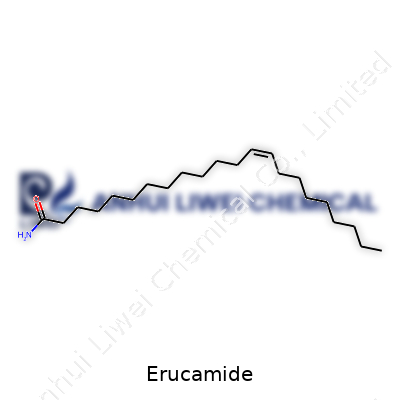
Erucamide finds its home as a fatty acid amide, primarily used as a slip agent for plastics such as polyethylene and polypropylene. Its molecular formula—C22H43NO—speaks to its roots in erucic acid, which comes directly from certain vegetable oils. Plastic processors toss it in as a powder, bead, or waxy solid, expecting it to migrate to the surface of a film where it lowers surface friction. Other settings use it to combat blocking, to help labels peel clean, or even to keep gaskets flexible. Across markets, erucamide has carved out a reputation as the go-to additive for reducing friction in all things plastic.
Physical & Chemical Properties
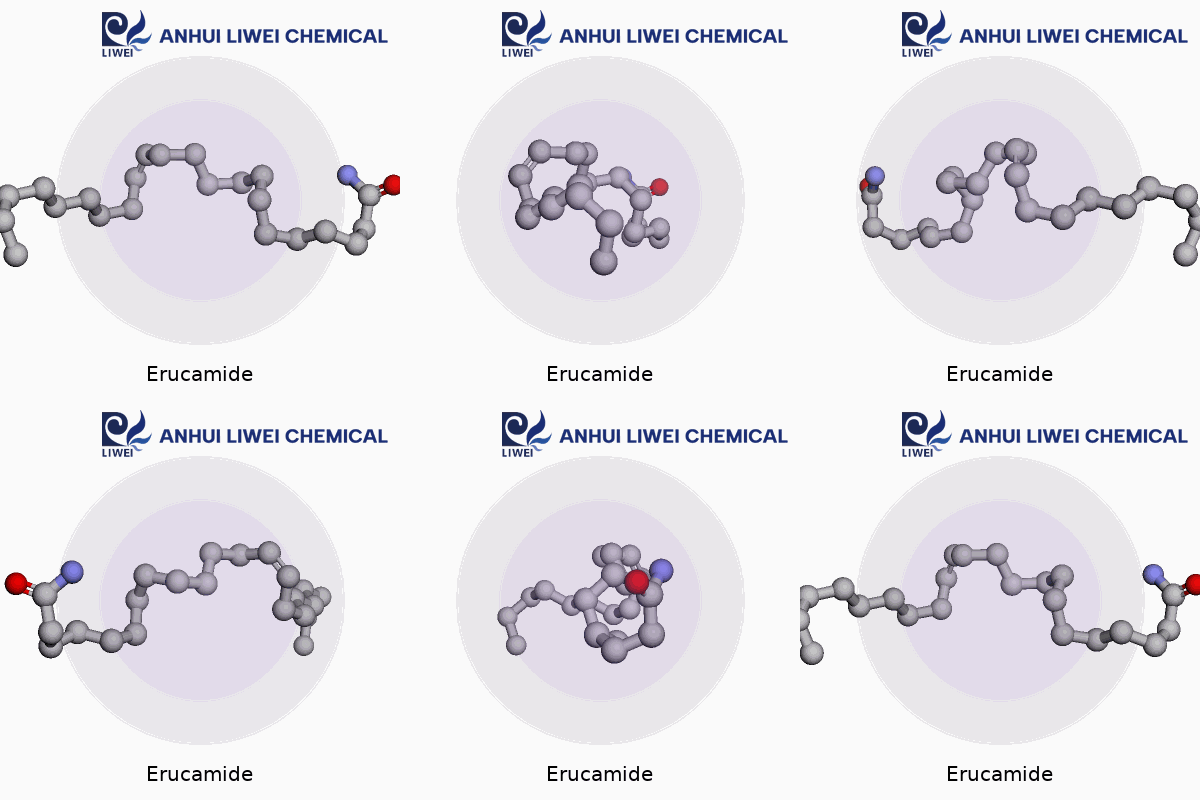
Erucamide stands out because of its high melting point, which hovers around 82–85°C. Its structure—a long, straight hydrocarbon tail with a terminal amide group—makes it less volatile and more stable, especially under common processing conditions for polyolefins. The compound shows low solubility in water, which means it stays where you want it after blending into plastic, rather than leaching out into the wrong places. Its waxy appearance and almost odorless character mean it rarely interferes with the look or smell of finished products, a crucial factor for packaging films in direct contact with food.
Technical Specifications & Labeling
Producers in the chemical industry focus on purity and consistent melting range. You’ll find grades sold with at least 98% purity, low acid and iodine values, and tightly monitored residual solvents. The labeling must include CAS 112-84-5, compliance with food contact regulations if intended for packaging, and batch-specific data about melting point, moisture, and appearance. Many processors require results from infrared spectrometry or gas chromatography to check for contaminants. In a world where traceability keeps regulators happy, manufacturers need detailed batch records and safety data sheets (SDS) at every shipping point.
Preparation Method
The most common route starts with erucic acid, which is abundant in high-erucic rapeseed oil. Chemists typically react erucic acid with ammonia or an amine in the presence of a dehydrating catalyst—often using elevated temperature and sometimes pressure. That dehydration step forms the amide bond, leading from pure fatty acid to a crystalline, waxy product. Purification steps, such as filtration, washing, and sometimes recrystallization, help remove unreacted starting material. The resulting product gets milled or formed into the right size for blending into polymers.
Chemical Reactions & Modifications
The backbone of erucamide’s chemical behavior comes from its amide group and ultra-long hydrocarbon chain. Heat, strong acids, or bases can hydrolyze the amide back to erucic acid and ammonia, so processors need to avoid overly harsh conditions in compounding. On top of that, the unsaturated bond in the chain can participate in hydrogenation or epoxidation reactions, which may interest researchers chasing new modifiers. Chemists have tried tweaks—adding other functional groups or changing the chain length—to dial in even better slip or anti-blocking properties, but in most commercial formulations, the original molecule holds tight to its spot.
Synonyms & Product Names
Erucamide goes by more than one name. You’ll see terms like “behenic acid amide,” “docosenamide,” and “13-docosenamide” appear in technical literature. Some suppliers brand it with trade names, aiming to showcase minor purity tweaks or blending methods, but the essence remains the same. Those checking compliance or importing need to keep an eye on local chemical inventories, since erucamide might turn up under different chemical synonyms in Asia, the EU, or the US.
Safety & Operational Standards
In the safety department, erucamide earns its keep thanks to low toxicity and low flammability under standard storage. Workers handling the raw powder should use gloves and dust masks, mostly to avoid irritation, but standard warehouse conditions usually suffice. In production, heating cycles and mixing require good ventilation—thermal decomposition produces fumes that nobody wants. Food-contact uses demand compliance with FDA 21 CFR 177.1520 in the US or EC 10/2011 in Europe, so documentation and clean manufacturing lines matter. No one likes recalls or failed audits, so raw material storage, production batch testing, and regular equipment cleaning sit at the top of any competent safety checklist.
Application Area
Packaging leads the way for erucamide use, especially in films and bags. Anyone who has struggled to separate two clingy plastic sheets owes a debt to slip agents like this. The textile industry brings it in for fiber processing, aiming for threads that feed smoothly through machinery. Rubber manufacturers blend a little into tire sidewalls and hoses to help them peel from their molds. Adhesive and ink formulators sometimes turn to it as an internal lubricant. Even the paper industry has found a role for erucamide as a defoamer or to keep sheets from sticking. Whether in shrink wrap, synthetic leathers, or even medical devices, this molecule wears many hats without stealing the spotlight.
Research & Development
Innovators continue poking at erucamide’s performance, especially given changing regulations in food packaging and green chemistry. Researchers look for better migration characteristics—making sure the slip stays on the surface without drifting into the product. There’s a push for bio-based erucamide produced without synthetic solvents, satisfying consumer demand for sustainable chemistry. At the same time, studies focus on compatibility with new biodegradable plastics, since some older slip agents fail to deliver in PLA or starch-based films. The industry watches patents closely, hoping to claim a slice of new value-added blends for batteries, coatings, or the electronics market. Progress hinges on collaboration between raw material suppliers, processors, and universities, all sharing real-world data, not just lab reports.
Toxicity Research
The worry with any additive—especially one used for packaging—is long-term safety. Toxicologists have spent decades tracking erucamide’s journey in living systems. Oral toxicity levels rank low, with high-dose animal studies showing no staggering risks. Some migration into food can occur, but the compound typically passes quickly through the digestive tract without building up in tissues. There’s little evidence to suggest carcinogenic effects or developmental issues. That said, as regulations tighten and consumer advocates increase demands for transparency, researchers continue to monitor both erucamide and its breakdown products. Risk assessments require not only acute toxicity data but also long-term exposure models, especially in markets sensitive to endocrine-disrupting chemicals. Environmental fate studies show that erucamide doesn’t persist or bioaccumulate significantly, so fish and wildlife exposure ranks low on priority lists, but ongoing scrutiny remains part of the cost of doing business here.
Future Prospects
The road ahead for erucamide holds promise and challenge. As plastic bans and recycling mandates reshape the packaging world, the spotlight turns to additives that support better waste handling without harming recyclability or food safety. Erucamide’s plant-based origins provide a selling point for companies greening their supply chains, but the molecule must continue to meet tight controls on purity and migration. R&D teams aim for formulations that retain slip performance even after recycled resin runs through multiple processing cycles. End-users in electronics and automotive look for even more specialized versions—perhaps with enhanced antistatic or UV-blocking capabilities. Demand for erucamide alternatives will keep competitors busy, yet few options match its balance of cost, performance, and safety. Keeping an ear tuned to regulatory rumblings, manufacturers and scientists will need to keep proving what erucamide can deliver as markets push for circular, safe, and low-footprint chemistries.
What Erucamide Brings to Plastics and Packaging
Anyone who has struggled with plastic wrap sticking to itself has unknowingly encountered erucamide’s work. This compound, made from the fatty acid erucic acid mostly sourced from rapeseed oil, acts as a slip agent. By reducing friction between molecules, it prevents plastic films from clinging together or jamming in machines. Grocery stores and food manufacturers rely on it every day to keep packaging moving on the production line. Without erucamide, plastics like polyethylene and polypropylene would get tangled or tear more easily, which would raise costs and create headaches for everyone—from factory workers to shoppers.
Food safety often comes up in my work and home life. I have young children, so what ends up on their food matters. Industry groups and regulatory agencies like the FDA pay close attention to ingredients like erucamide. Current studies show that, used in the amounts typical for packaging film, erucamide doesn’t migrate into food at levels considered risky. Applying evidence-backed standards improves trust in the products filling our supermarkets and lunchboxes.
More Than Just Friction: Other Uses of Erucamide
Rubber products take a beating every day. Tires, shoe soles, gaskets—these need flexibility but can’t turn sticky. Factories use erucamide to stop rubber sheets from grabbing onto machines or collecting dust and debris. Erucamide stands up well to heat, so it stays effective even in high-temperature manufacturing. That keeps processes running smoothly and helps final products keep their shape and feel, even after months of use.
People sometimes overlook the smaller details, but products like printing inks also benefit from erucamide. Inks need to dry without picking up extra marks or sticking to rollers. A touch of erucamide helps the ink roll off the presses cleanly, resulting in crisp, clear images and less smudging. It’s one of those behind-the-scenes helpers that allow artists and publishers to deliver sharp graphics and readable text day after day.
Safety and Environmental Considerations
Conversations at environmental forums often bring up the chemicals in everyday products. Erucamide, coming from plant oil, falls into a category of chemicals that, at first glance, may seem safer or "greener." Still, full transparency matters. While the risk of direct exposure from finished materials is low for most people, factory workers who handle pure erucamide need solid safety protocols. Gloves, proper ventilation, and up-to-date training reduce risks on the production floor. Industry groups continue to study possible long-term effects, so decision-makers can adapt workplace safety as new research surfaces.
Looking Ahead: Improving the Conversation
As a parent and a citizen, I look for transparency about material ingredients. Labeling, clear lines of communication between suppliers and customers, and updated scientific review give people confidence in the goods they touch every day. Technical improvements can’t replace honest dialogue, especially for those with allergies or chemical sensitivities. Companies invest in alternatives and new technology for plastics and rubber, answering consumer calls for safer, cleaner, and more sustainable products. The story of erucamide reminds us that even minor ingredients deserve a close look, not just by chemists in labs but by anyone who values safe, reliable, and responsible materials.
What is Erucamide?
Anyone who has picked up a bag of chips or a plastic-wrapped sandwich has seen packaging made to keep food fresh and appealing. Manufacturers use erucamide—a fatty acid amide—on the inner surface of films to stop them from sticking together. This waxy, plant-based chemical works great for helping machines crank out perfectly sealed packs, but its presence has raised eyebrows for people concerned about food safety. That conversation deserves more than jargon and technical talk, especially since what touches our food should never raise silent questions.
Understanding the Concerns
I usually read the ingredients on the label out of curiosity more than panic, but the idea that some materials in packaging might migrate into my snacks stays at the back of my mind. Migrating chemicals aren't science fiction. They’ve shown up before: phthalates in plastic wrap, bisphenol A in some can linings. Regulators now watch anything used in food contact closely. Erucamide gets singled out because, in laboratory tests, small amounts can cross from packaging to food. The concern isn't only how much migrates, but what it does once inside the body.
What the Science Tells Us
Regulatory agencies in Europe, North America, and elsewhere have spent years reviewing erucamide. Their main question: does exposure at low levels pose risk? Available studies say erucamide doesn't act as a carcinogen and doesn’t cause genetic damage in animals. The potential concern centers on its breakdown into erucic acid, a fatty acid found in some oils like rapeseed. High doses of erucic acid seem able to affect heart tissue in animals. Most industrialized countries limit exposure to erucic acid in oils, but the levels from migrating erucamide in packaging seem far smaller.
The European Food Safety Authority capped erucamide usage in food packaging at strict levels. In the US, the FDA greenlights erucamide for food contact, with rules that packaging must not let significant amounts reach the food. These safeguard layers should minimize risk, at least for average consumers eating a balanced diet. I’ve never seen a doctor link typical packaging to erucamide-related illness.
Transparency and Choices for Consumers
No one likes hearing “don’t worry” when companies decide what goes near food behind closed doors. Trust grows with transparency and informed choice. More brands now put out detailed information about materials and additives they rely on. People want to know the difference between marketing claims and actual, proven safety standards. I look for companies that tell me not just “it’s safe per regulation” but also show regular testing numbers and list outside third parties who check their practices.
Potential Solutions and the Role of Innovation
If any chemical in packaging makes people uneasy, switching to better alternatives seems like the smartest path. Erucamide works so well because it keeps packaging smooth and efficient, but plant-based waxes and newer slip agents could someday do the job with fewer concerns about migration. Food companies and suppliers who invest in creative, clean ways to seal freshness will probably get rewarded with customer loyalty. Strong research partnerships between universities, government labs, and industry can help find solutions that protect both food and public trust.
The Bottom Line
People care what touches their food. Science shows erucamide doesn’t seem dangerous at the trace levels usually found in compliant food packaging. Robust rules and ongoing research help keep risk low. Still, being open, pushing for safer materials, and supporting better alternatives will always matter in a world where trust is earned, not assumed.
What Slippery Packaging Teaches About Chemistry
Ever torn open a bag of chips only to have it practically glide out of your hand? That’s no accident—it’s chemistry working behind the scenes. Years spent working with plastics manufacturing teams taught me that the texture and handling of packaging mean more than most folks realize. Erucamide steps in as a quiet hero here, especially for shrink wraps and films that grocery stores use by the kilometer every day.
Why Switching from Stearamide to Erucamide Makes a Difference
Many companies start out using stearamide for their slip properties, but folks who have worked on high-speed packaging lines can tell you: erucamide outperforms. It has a longer carbon chain, which means its molecules align smoother and stick less to neighboring surfaces. Years of production-debugging taught me this isn’t about looking good on paper, but about reducing downtime on machines, less wear-and-tear, and fewer complaints about jams.
Protecting Products — and Bottom Lines
Imagine standing at the end of a warehouse receiving line. Pallets stacked ten high, hundreds of boxes per pallet. Slippery packaging lets boxes slide smoothly, so nothing snags or tips during transport. Less friction reduces dust buildup and keeps static at bay. Food manufacturers especially benefit: FDA recognizes erucamide as safe for food-contact plastics. So snack makers don’t worry about chemical contamination, and the chips stay where they should, inside a slick, well-sealed bag.
Energy Savings Shows Up on the Bill
Factories look for cost savings everywhere. Erucamide helps machines run cooler and more consistently. This means motors do less work, power consumption stays lower, and maintenance teams have less to fix. The pay-off isn’t always about what you see—sometimes, the best sign is that things keep working day after day. I’ve watched as lines that once stopped twice a shift could run for hours after the switch. That ripple effect means lower maintenance costs, less lost product, and fewer frustrated workers.
A Chemical with Staying Power
Unlike some slip agents that fade away after a few weeks, erucamide migrates steadily to the surface of film. The result? Packaging that stays slick for as long as it sits in storage. My experience with export businesses taught me that while shipments may spend months at sea, plastics with erucamide never get sticky or turn chalky. Brand owners trust that packaging opened in a faraway port feels the same as one lifted off the factory floor.
Health, Trust, and Future Choices
As consumer safety climbs in public awareness, erucamide gets decent marks for low toxicity. Research backs up its low migration into foods, thanks to its high molecular weight. I’ve worked with QA teams that push for clear documentation from suppliers, and erucamide remains a trusted option. Still, some folks keep looking for plant-based alternatives, so the pressure’s on for companies to develop even safer, even greener slip agents. Until then, erucamide keeps proving its worth on busy factory floors and shelf after shelf at the supermarket.
Slip, Slide, Repeat: Why These Additives Matter
Plastic wraps opening with a single tug. Shopping bags no longer clinging to your fingers. Behind those little victories stands the quiet power struggle between erucamide and oleamide. Both ride into polymer manufacturing as slip agents, making plastic feel silkier, packaging easier to handle and machines run smoother. But they don’t do it the same way, and the details matter more than most end users will ever realize.
Chemistry Gives the Story Its Edge
Erucamide comes from erucic acid, found mainly in rapeseed oil. Oleamide derives from oleic acid, which is common in many vegetable oils and animal fats. Sure, the names sound similar, but even a small change in a molecule can rewrite the performance story. Erucamide has a longer carbon chain than oleamide, and that twist shapes how both interact with different plastics.
Where Each Shines: Real Use, Real Differences
I’ve worked around the plastics industry long enough to see why erucamide is often the trusted pick in film manufacturing. Those extra carbons in erucamide’s chain let it migrate to the plastic’s surface a bit slower. This steady pace works great for packaging films—think bakery wrap and produce bags—where slip must be controlled or product piles would skid off the stack every time someone blinks. Erucamide keeps things slick but not out of control.
Oleamide operates differently. It loves speed—moving to the plastic’s surface in no time. Factories making bags for quick runs grab oleamide for its instant effect. Also, in some medical devices, its fast migration can boost manufacturing throughput. The difference isn’t just lab talk; I’ve watched how a line with the wrong choice can cause headaches: machine jams, prints smearing, bags sticking or refusing to separate.
Heat, Light, and Longevity
It’s not just about how quickly these slip agents show up to work. Temperature and exposure to light play a big part too. Erucamide holds up against heat better, making it smarter for films exposed to warm production or storage conditions. Oleamide wilted in some applications I monitored, especially in products left under sun or in warm warehouses. In those cases, yellowing or a sticky film spelled rework or scrap. It’s a waste few businesses tolerate.
Food Contact and Safety Talk
Food safety can trip up even experienced buyers. Both erucamide and oleamide clear regulatory hurdles for food packaging in many regions, but they don’t behave the same under scrutiny. I’ve seen erucamide earn extra trust for products in direct contact with food, especially in Europe. Certifications change over time, though. Checking the most recent listings remains a must. Responsible suppliers provide not just paperwork, but run regular tests and document results. Consumers trust what touches their food, and industry owes them that security.
Looking Ahead: Rethinking the Balance
As bioplastics grow in popularity, understanding these additives shapes greener decisions. Sometimes manufacturers experiment with blends to balance slip performance against cost or regulatory changes. A sloppy additive pick can bump up complaints and recalls. Smart teams check not just slip data, but also migration rates, heat aging and interactions with inks or adhesives. If trouble pops up, swapping one molecule for the other can transform a problem run into a success story.
Choosing Wisely—It’s More Than Chemistry
The erucamide versus oleamide puzzle isn’t just about which is better—it’s about picking the tool that fits the need. Low friction, reliability in tough environments, food safety and regulatory backing all play a part. From my experience, walking plant floors and listening to production teams, a little knowledge about these “invisible” helpers can save money, resources and reputation in the long run.
Understanding the Risks
People use erucamide in plastic processing, packaging, and lubricants because it reduces friction and works as a slip agent. This chemical, though, deserves respect. If you don’t pay attention to how you store or handle it, trouble shows up fast—clumping, contamination, and, in rare cases, a safety issue for workers or expensive equipment.
Why Storage Location Matters
Years ago, I saw a shop turn a thousand dollars' worth of erucamide into junk simply by sticking the bags next to a heat-blasting machine. Even mild warmth can cause erucamide powder or pellets to clump together. Once that happens, good luck feeding it into a hopper without a headache. Always pick a spot that’s dry and cool. If you’re working with bagged material, shelving off the concrete floor blocks moisture creep—plastic tarps won’t cut it for long.
Keeping Air and Moisture Out
Humidity wrecks erucamide. Any leftover or open bag lets moisture sneak in, leaving a crusty mess by the next shift. Once, a shift forgot to seal a container. The next day, what should have poured out like sugar now needed scraping. With raw materials like these, every seal and lid saves money and effort. Use airtight containers. If you’re dealing with big drum quantities, those screw-on lids with rubber gaskets handle repeated openings far better than simple snap-on covers.
Protecting Your People
Even though erucamide hasn’t landed on the “high-hazard” chemical list, dust isn’t something to shrug off. Factory dust can dodge most casual breathing masks, making it a risk for machinists and packagers. My habit: gloves on, sleeves down, goggles ready before reaching for a bag. If a load tips over or you’re pouring powder into a hopper, airborne particles find skin, eyes, and lungs. Ventilated workbenches and local extraction fans keep the air clean, which makes a real difference for anyone in there every day.
Labeling and Traceability
I’ve watched mixes get thrown out over simple labeling mistakes. If you pour erucamide from one drum to another, label the new container right away. Manufacturers regularly update safety data sheets (SDS). Align the batch codes and keep the paperwork nearby. This makes life easier both for quality control and for any inspector checking up on workflow or accident investigations.
Preventing Cross-Contamination
Don’t store erucamide next to anything that might leak, absorb, or react. Oils, some acids, and strong oxidizers belong far away. A clerk once put a box of erucamide atop a shelf over a soap drum. By the end of the day, condensation from the soap splashed upward and ruined a third of the contents. A bit of shelf space saves you mountains of clean-up and lost cash.
Train and Review Regularly
Stockroom habits make or break efficiency. Routine training doesn’t just keep inspectors happy—it prevents mix-ups and accidents. Every so often, run a drill or just a quick review. Challenge workers to spot storage mistakes in mock setups. These drills stick better than lectures. Folks remember a blobby, moisture-ruined pile of material long after a warning speech fades.
Looking Ahead
As businesses scale and hire new staff, these simple habits keep costs low and quality high. Erucamide remains a workhorse in industry, but only if everyone from the forklift driver to the line manager treats its storage and handling with care.