Ethyl Phenyl(2,4,6-trimethylbenzoyl)phosphinate: A Deep Dive
Historical Development
Back when chemists started chasing better ways to cure coatings and inks with light, the need for fresh approaches pushed the boundaries of photoinitiator chemistry. Ethyl Phenyl(2,4,6-trimethylbenzoyl)phosphinate didn't just emerge from a vacuum. Researchers, looking for ways to solve the problems caused by the yellowing and poor reactivity of traditional photoinitiators, began exploring organophosphorus compounds. Once a handful of papers demonstrated that phosphinates could outperform earlier benzoin or benzophenone types under LED and broad-spectrum lamps, the industry had a new tool. As printing, dental, and electronics businesses demanded better, safer, and faster-curing systems over the years, this compound found more attention in formulas that needed both high reactivity and solid photostability.
Product Overview
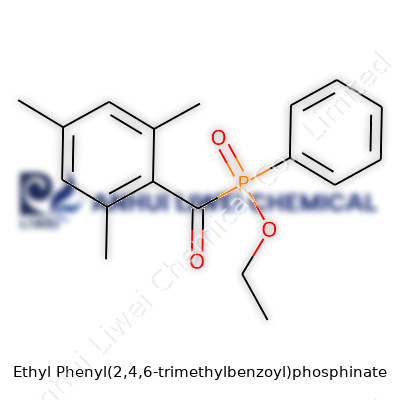
This phosphinate carries a distinctive structure: a phosphinate group connects to a benzoyl and an ethyl group. That shape makes it useful wherever rapid polymerization under visible or near-UV light is critical. Product suppliers now offer forms ranging from fine powders to easy-mix liquids. It’s listed under various catalog numbers by global chemical suppliers. Most companies stamp clear batch numbers and shelf-life on their containers, showing the industry’s effort to guarantee traceability in manufacturing and lab settings.
Physical and Chemical Properties
Ethyl Phenyl(2,4,6-trimethylbenzoyl)phosphinate lands on lab benches as a white to pale yellow solid with low odor. Melting points hover above room temperature, offering storage convenience. Chemists appreciate its modest solubility in typical monomers and reactive diluents. The molecule absorbs light efficiently in the 350-410 nm spectrum, matching the output of modern curing lamps. This property hits a sweet spot for those avoiding deeper UV to sidestep health and environmental worries. With stable shelf life under dry, dark conditions and low volatility, it handles storage and transport with less fuss compared to more sensitive rivals.
Technical Specifications & Labeling
Companies supplying this photoinitiator usually display purity exceeding 98% by HPLC, residual solvent below noticeable limits, and capped moisture content. Every technical data sheet I’ve read highlights both the molecular weight and refractive index for those plugging the material into their printing or electronics protocols. Labeling highlights batch code, manufacturing date, country of origin, and specific hazard statements—no more guessing about allergies or toxic interactions. Regulatory compliance covers REACH and, for some markets, rigorous local chemical inventories.
Preparation Method
Lab preparation leans on the Arbuzov reaction as a reliable step. By treating ethyl diethylphosphite with 2,4,6-trimethylbenzoyl chloride, the target phosphinate forms after mild heating. Skillful chemists work up the crude with solvents and a careful distillation or crystallization sequence, stripping out unwanted side-products. In larger factories, workers scale up with continuous feed reactors and real-time monitoring for safety. Having worked with similar setups, I know process techs keep busy preventing over-pressures and cleaning up residues to guard purity for the next run.
Chemical Reactions and Modifications
This compound favors the clean cleavage of the P–C bond after photon absorption, making it a gold standard for free-radical generation. Researchers tinkering in labs sometimes turn to alkyl or aryl group swaps to tune its reactivity or boost solubility for oddball resins. I’ve read papers on specialty variants built for faster curing under low-energy LEDs, and it’s impressive seeing just how much subtle chemistry shifts the performance on real-world printers or 3D setups.
Synonyms and Product Names
Most buyers hunt for it under names like "TPO-L" or its full IUPAC title. Depending on the supplier, labels can include chemical code numbers or catalog branding, leading to confusing shelf names. Making sense of SDS sheets and supplier diagrams remains a chore, but keeping tabs on synonyms like "Ethyl(2,4,6-trimethylbenzoyl)phenylphosphinate" or "Photoinitiator TPO-L" gets easier with experience in the field.
Safety and Operational Standards
Every chemical brings a risk, and this photoinitiator is no different, despite being milder than older aromatic systems. Safety sheets call for gloves, goggles, and tight storage to prevent skin and eye irritation. Toxicological data show it behaves better than some alternatives, yet improper disposal still poses risk to aquatic life. At workplaces I’ve trained in, outreach goes beyond banners on the wall—regular PPE checks, spill drills, and waste treatment audits anchor daily routines. Stick with those habits, and the likelihood of workplace mishaps drops. Technicians must tag all waste, with clear channels for chemical recovery or off-site handling in line with national environmental laws.
Application Area
Across print shops, dental labs, electronics factories, and industrial flooring outfits, you’ll see this phosphinate in use where light curing matters. LED-driven printers spit out sharper colors on flexible packaging because of it. In dental moldings, patients spend less time in treatment chairs. PCB makers rely on the controlled curing it gives, dodging overheating or layer delamination issues. I’ve watched coatings and adhesives cure smoother in field repairs, speeding up construction and shipyard jobs, and that kind of result underscores why this compound pulls strong demand.
Research and Development
University and industrial labs chase new photoinitiators each year, hoping to lower environmental footprints or tackle tougher curing environments. Teams now test tweaks to this phosphinate’s structure to broaden its application window, push cure depth, boost speed, and further cut yellowing or odor. Green chemistry is picking up steam. Researchers look at catalysts and new synthetic routes that swap out hazardous reagents for bio-sourced or lower impact inputs. The artery of technical papers is full, showing granular data on reaction rates, by-product cutoff, and light-source compatibility.
Toxicity Research
Toxicology gets real attention in material science labs. Recent studies compare this phosphinate against established photoinitiators—results usually show lesser skin and eye irritation, along with a less alarming aquatic toxicity profile. Yet chronic exposure hazards need more data, especially as environmental groups dig into micropollutant residues in rivers and wastewater. With growing regulatory scrutiny, manufacturers and users need to keep pace with new findings around production waste streams. Field audits, third-party testing, and stricter waste protocols continue rolling out across the industry, not only in Europe but also in rising economies pushing for greener policy. Health & Safety professionals track new research closely, updating risk assessments in real time to keep people and ecosystems out of trouble.
Future Prospects
Outlook for this class of photoinitiators looks promising if companies keep responding to market and environmental pressures. Demand trends favor safer, faster, and lower-energy systems. Industry feedback nudges chemists to tailor new versions for specific resins and lamp types—cost reduction marches along with the call for better sustainability. Regulations move the needle too: tighter VOC, workplace safety, and environmental impact rules raise the bar each year. That cycle fuels a steady stream of research grants and industrial patents. I see a world where this phosphinate and its cousins are everywhere light-curing matters, forming the backbone of printing, electronics, and dental material advances, all while real progress is made toward less toxic and more sustainable chemistry on the shop floor and in the lab.
A Closer Look
Folks in the 3D printing and dental industries might talk about Ethyl Phenyl(2,4,6-trimethylbenzoyl)phosphinate, but most people have no idea what it actually does. This chemical, which goes by the abbreviation TPO-L, actually makes a big difference in how precise high-tech production can get.
Practical Use in the World
TPO-L is a photoinitiator. In plain terms, it starts chemical changes using light. A lot of 3D printers and dental labs now work with liquid resins, which need a kick from a light source to harden into strong, detailed pieces. TPO-L responds well to ultraviolet LED light, giving it an edge over old-school photoinitiators that demanded more intense light and produced more harmful byproducts.
I spend plenty of time tinkering in makerspaces, and I've seen how critical the right photocuring compound is for turning a gooey resin into a tough, reliable part. If the reaction doesn’t happen cleanly, you end up with warped prototypes, failed dental crowns, or brittle hearing aids that snap after basic use. With TPO-L, people are getting fewer mistakes and more durable results, which means more trust in this growing tech.
Why Industries Count on TPO-L
Scientists started favoring TPO-L because of its ability to create crisp, clear models. Many other photoinitiators give off a yellow tint as they cure, which doesn’t look natural for a dental cap or for tiny machine parts that need clear definition. The improvement in color accuracy from TPO-L makes products look better and perform more reliably in real-world use.
There’s also a safety piece here. Some initiators break down in ways that release harmful substances into the finished product or into the air during manufacturing. Research published in journals like Polymer Chemistry points out that TPO-L lowers exposure to these risks. Dental labs and hospitals have started tracking what goes into mouthguards, aligners, and fillings, and TPO-L is getting more attention precisely because it keeps things simpler and safer.
Tackling Environmental and Health Problems
No one wants more chemicals drifting into the environment without a plan. Regulators in the European Union have put pressure on manufacturers to use safer materials, and I’ve watched labs swap in TPO-L to hit these targets. OECD chemical safety databases show it’s less likely to cause health problems compared to some older alternatives. That said, the conversation isn’t over; chemists and health departments keep running long-term tests to double-check what ends up in water streams and the workplace.
Clean air inside production areas still falls on the daily habits of workers. More people now use extraction fans and sealed glove boxes to keep the small amount of residue from photoinitiators in check. Knowledge about these improvements isn’t spread evenly, though; some smaller companies lag behind because they don’t always have access to the same updates or training.
What’s Next
Industry leaders, universities, and government departments keep working together to make photoinitiators safer and more effective. I think real progress comes when companies share what works and support small shops to move away from risky old chemicals. Consumers need to stay informed, too—after all, these materials end up in devices millions of people put in their mouths or use at home.
Ethyl Phenyl(2,4,6-trimethylbenzoyl)phosphinate doesn’t make flashy headlines, but its importance shows up any time you need a 3D-printed crown or a medical device built to last.
Knowing the Chemistry Means Respecting the Risks
Ethyl Phenyl(2,4,6-trimethylbenzoyl)phosphinate plays a key role in UV-curable inks and coatings. In my time working around specialty chemicals, certain habits stuck with me—always check the label, and don’t assume every powder sitting on the shelf acts harmless. With this kind of photoinitiator, evidence and practice pull in the same direction. Protecting both workers and the chemical itself starts with understanding storage as a real safety concern, not paperwork drudgery.
Temperature and Humidity Go Hand in Hand
This compound doesn’t ask for extravagance but leaves no room for carelessness. Keeping it in a cool, dry storage area limits unwanted reactions and preserves stability. Between 2°C and 8°C, the shelf-life stretches out and unpredictable breakdowns shrink. Fluctuating humidity can cause clumping or chemical shifts, so keeping containers tight becomes a first-line defense. Dessicants help, but they’re not a substitute for a closed, controlled storage space.
Light Plays the Villain
Overexposure to light doesn’t just reduce quality—it can trigger degradation, and with a photoinitiator, that risk isn’t theoretical. Protecting the powder in dark or opaque containers stands as a basic security check. In real labs, I’ve watched sunlight cause batches to yellow or clump up, turning useful stock into hazardous waste. It’s not only product loss at stake; accidental exposure can transform a routine day into a clean-up headache.
Chemical Compatibility Means Less Drama on the Shelf
Every storeroom relies on organization, not only for efficiency, but for safety. Housing Ethyl Phenyl(2,4,6-trimethylbenzoyl)phosphinate near acids, strong oxidizers, or reducing agents tips the odds toward dangerous reactions. A spill or broken package next to bleach or nitric acid creates more than a mess. Separation by physical shelving or storage rooms makes smart chemistry sense—most incidents come from overlooked details, like shared storage for incompatible reagents.
Packaging Choices Make a Difference
Keeping this material in tightly sealed original packaging works best. Once opened, decanting into smaller, airtight containers limits the contact with air and moisture. In practice, this looks like labeling each vessel with open dates and content specifics. Loose labeling or makeshift lids invite confusion, and mistakes with this compound can escalate fast. Rigid discipline over container closure and regular inventory checks catches problems before they grow too big.
Personal Experience: Where Policy Meets Practice
From the first job I ever landed in a small adhesive plant, I learned the ugly side of ignoring chemical storage—ruined raw materials, wasted money, and sometimes shutdowns until the mess cleared. The same rules repeat across bigger facilities and smaller shops. Written standards form the skeleton, but real vigilance in storage and handling acts as the muscle.
Keeping safety data sheets close at hand helps; consulting them before making changes in storage layout keeps the surprises away. In my own work, regular tidying and quick spot-checks—never relying on memory for what sits where—paid off. Teaching new hires these lessons took patience, but the payback comes quietly, in accidents that never happen.
Solid Practices Support Success
Ethyl Phenyl(2,4,6-trimethylbenzoyl)phosphinate doesn’t demand heroics, but it does reward careful stewardship. Effective climate control, darkness, separation from volatile chemicals, and sealed containers combine to preserve both product and workplace peace. All it takes is persistent follow-through and respect for the risks in every storage decision—workplaces thrive on that foundation.
What Is Ethyl Phenyl(2,4,6-trimethylbenzoyl)phosphinate?
Ethyl Phenyl(2,4,6-trimethylbenzoyl)phosphinate, often seen in technical papers simply as TPO-L, pops up in the world of light-curing technology. Manufacturers use it in inks, adhesives, dental materials, and 3D printing resins. Its main job: help these substances harden quickly when exposed to UV light. On paper, TPO-L can look like just another chemical tool. Once you walk into a lab or printing facility, you’re likely to encounter it in bottles labeled as a “photoinitiator.”
Known and Suspected Hazards
Most people outside of the manufacturing and dental world rarely come across this chemical. For those handling it at work, the safety profile matters a lot. TPO-L doesn’t exactly sound like something you want to splash around. Published data points to possible skin and eye irritation. In rodents, large doses by mouth led to clear toxic effects, which isn’t surprising for a chemical that alters matter at the molecular level.
Workers involved with this chemical have described the faint smell and noted the need for gloves. Material Safety Data Sheets (MSDS) flag moderate acute toxicity, with the main risk coming from contact during mixing or spills. No matter how experienced, nobody wants breathing vapors or dust from this compound, so most labs run fume hoods or keep their spaces ventilated.
What Science Tells Us So Far
The European Chemicals Agency database places TPO-L in the “Warning: Harmful” category. Long-term studies in people haven't been published. For short-term exposures, data points to low chances of harm if folks take the usual precautions: gloves, goggles, and fume extraction. TPO-L absorbs into the body much less easily than some solvents or acidic monomers used in similar industries. Swallowing, inhaling, or getting it into your eyes can lead to real trouble. Some suppliers warn about effects on aquatic animals, so disposal practices do matter.
Many countries treat TPO-L as an “irritant.” NIOSH and OSHA in the US haven’t set tight workplace exposure limits, but this doesn’t mean all-clear. Regulations tend to lag behind new chemicals; sometimes the science takes years to catch up with practice.
Why Health Awareness Matters
Most people who work with photoinitiators shift between several, not just TPO-L. Without habits around safe handling, one slip can mean chemical burns or a run to the sink after a splash. In American schools, chemistry classes drum in the lesson about gloves and goggles, but in real life, the busyness of a workplace means people sometimes cut corners. In places where I’ve seen 3D printers humming away, the strongest safety culture comes from clear protocols and keeping chemical hazards front of mind.
This topic matters because advanced manufacturing isn’t slowing down. Dental offices, print shops, and research labs see more specialty chemicals each year. On a practical level, TPO-L’s risks are much lower than, say, open containers of mercury or strong acids, but ignoring them can lead to health problems.
Better Solutions for Safer Work
Each business using TPO-L needs a clear plan for storage, handling, and spill cleanup. Having Material Safety Data Sheets available and reading them goes a long way. Training everyone who handles chemicals, not just supervisors, cuts down on accidents. In the bigger picture, there’s a push for safer alternatives and more eco-friendly chemicals, especially as consumer demand grows for lower-toxicity products.
Waste from UV-cured materials shouldn’t hit the regular drain. Safe disposal sites keep both people and wildlife a little safer. Companies investing in regular air quality checks and personal protective equipment keep the risk as small as possible. Health isn’t about a single chemical; it’s about how people use them, the gear on their hands and faces, and the culture built in the shop or lab.
The Real Hazards of Specialty Chemicals
Ethyl Phenyl(2,4,6-trimethylbenzoyl)phosphinate, often found in labs and manufacturing sites, plays a big role in modern materials, especially as a photoinitiator in 3D printing and advanced polymer chemistry. Its benefits for industry make it popular, but it’s chemical nature demands respect. Small mistakes can lead to large headaches. Over the years, most chemists learn to trust their training, not luck. Strong odors, skin irritation, environmental risks—these are clear reminders that working with specialty chemicals requires focus and the right equipment.
Personal Protective Equipment Isn’t Optional
Direct contact with this substance can lead to skin and eye irritation. Fumes sometimes sneak up on you during mixing or transfers, so using gloves—nitrile or layered latex—protects more than just skin. Lab coats, face shields, or goggles are essential. Simple habits like checking for rips in gloves or fog on your goggles can make a difference. I remember someone in my lab skipping gloves once—he regretted it soon enough after a mild rash landed him in the nurse’s office.
Good Habits in the Work Space
Keen attention to spills keeps risks low. This chemical doesn’t play nicely with open flames or prolonged UV exposure, so keeping it away from direct light and heat sources should always come first. Fume hoods aren’t just for show. Airflow sweeps away vapors before they build up, protecting lungs and eyes. I’ve seen too many people think a cracked window is enough, but strong fans and hoods keep air clean—especially when reactions get energetic.
Storing Chemicals Wisely
Proper storage goes beyond putting containers on a shelf. This compound fares best sealed tight in clean, clearly labeled bottles, away from sunlight and out of reach of casual visitors. Fire safety cabinets designed for organics provide peace of mind. It’s easy to get lazy and leave lids loose, but leaks or evaporation threaten both workers’ health and product quality. Double-checking labels and inventory lists makes it much easier to spot expired or contaminated supplies before they create a bigger issue.
Disposal Doesn’t End in the Sink
Throwing specialty chemicals down the drain should never be an option. Waste programs at most labs help collect and neutralize chemicals safely. Colleagues sometimes ask: why not just dilute it? Aside from environmental harm, there’s also personal liability. Municipal wastewater plants aren’t built to handle photoinitiators or similar compounds. Designated containers, unmistakably marked, ensure that nothing slips through the cracks. Regular pickups from hazardous waste vendors round out the process.
Prompt Action in Emergencies
Spills demand speed. Having spill kits—absorbent pads, neutralizers, and plenty of nitrile gloves—within arm’s reach cuts cleanup time and prevents problems. Washing skin thoroughly with soap and water, rinsing eyes at designated stations, and shifting to fresh air after inhalation manage early symptoms while help arrives. Emergency response numbers on every wall allow for fast communication, and everyone working nearby ought to know the drill.
Building a Culture of Safety
Individual mistakes add up. Regular safety talks, well-documented procedures, clear labels, and ongoing training nurture good habits. I’ve seen teams that discuss close calls during weekly meetings avoid problems, while quiet labs often repeat the same blunders. Open conversation about what’s risky and what works keeps everyone on the same page. With chemicals like Ethyl Phenyl(2,4,6-trimethylbenzoyl)phosphinate, staying informed and taking small, steady precautions always beats cleaning up after disaster.
Getting it Right with Photoinitiators
Ethyl Phenyl(2,4,6-trimethylbenzoyl)phosphinate—frequently called TPO-L among chemists—does a specific job in the world of UV-curable systems. These photoinitiators kick off polymerization when hit with the right kind of light. Anyone who has worked with resins or inks will know how messy things get if the photoinitiator dose is off. Yellowing, tacky surfaces, or incomplete cures can wreck a product. Getting the amount right is not just a lab obsession, but a business saver for those who want steady results and stable costs.
What the Data Says
In industrial and research work, a lot of evidence supports using TPO-L between 0.5% and 5% by weight of the formulation. For basic UV-cure resins, most suppliers and technical guides suggest 2% to 3% as a reliable starting point. Some specialty formulations, including those tackling thick films or highly pigmented compositions, demand the higher side of these ranges. Thicker layers trap photons, so they need more photoinitiator to get the cure deep inside. Going above 5% often leads to waste and negative side effects—yellowing, odor, and brittle finishes aren't features anyone wants.
Personal Experience with UV-Cure
Years ago, I ran into trouble scaling up a batch of pigmented ink. My team followed the middle-of-the-road recommendation—about 2.5% by weight. In the lab, everything looked perfect, but on the big press, curing slowed down. Adding just another half a percent made all the difference; the press ran cleaner and there wasn't any smear on the paper. A seasoned formulator will tell you: guidelines get you close, but trial runs build confidence.
Why Dose Matters More Than Some Think
Beyond just getting a cure, the right level of TPO-L affects cost, safety, and product life. The price of photoinitiators isn't trivial, especially for producers running large-scale operations. Overdosing bleeds money away and leads to complaints about smell or color. Not enough, and end products fail industry standards—nobody wants a dental filling or 3D print that doesn’t fully set. Regulatory rules keep tightening up, too. About five years ago, the European Chemicals Agency started scrutinizing photoinitiators for their residue and safety profiles.
Getting Specific: A Few Facts
In 2021, a major journal in polymer science highlighted a best-performance window for TPO-L at around 3% for dental composites. Commercial suppliers including IGM and BASF published similar figures for graphic arts and 3D printing. Safety data sheets support this, warning users against higher amounts unless robust extraction or ventilation sits in place. It’s clear that tweaks outside the recommended window—up or down—come with real trade-offs. Not enough, and polymer chains don’t form well. Use too much and unwanted by-products stink up the work space.
Practical Advice for Better Results
It pays to talk with suppliers about the specific resin system and pigment load you’re working with. Running small-scale tests before production saves headaches. Good lab notes beat memory every time—record results for different concentrations and observe changes in cure speed, hardness, and clarity. People often try tweaking lamp intensity instead of photoinitiator levels: that’s useful too, but it’s not a substitute for proper dosing. Creating a simple chart for each new application can help a lot more than guessing or re-reading technical data for the tenth time.
Room for Improvement
Training for plant operators and lab staff goes a long way toward getting dosage right every time. Software now exists to simulate photoinitiator performance in different systems, so teams don’t need to burn through so much raw material just to find the sweet spot. For companies serious about sustainable production, regular reviews of ingredient choices—including photoinitiators like TPO-L—keep compliance up and liability down.