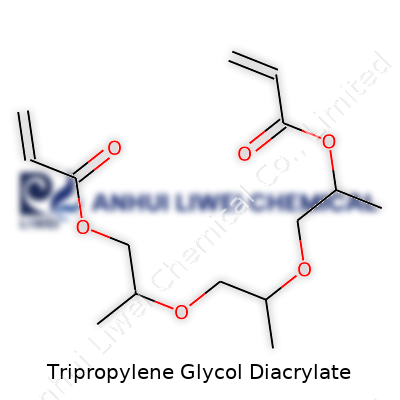
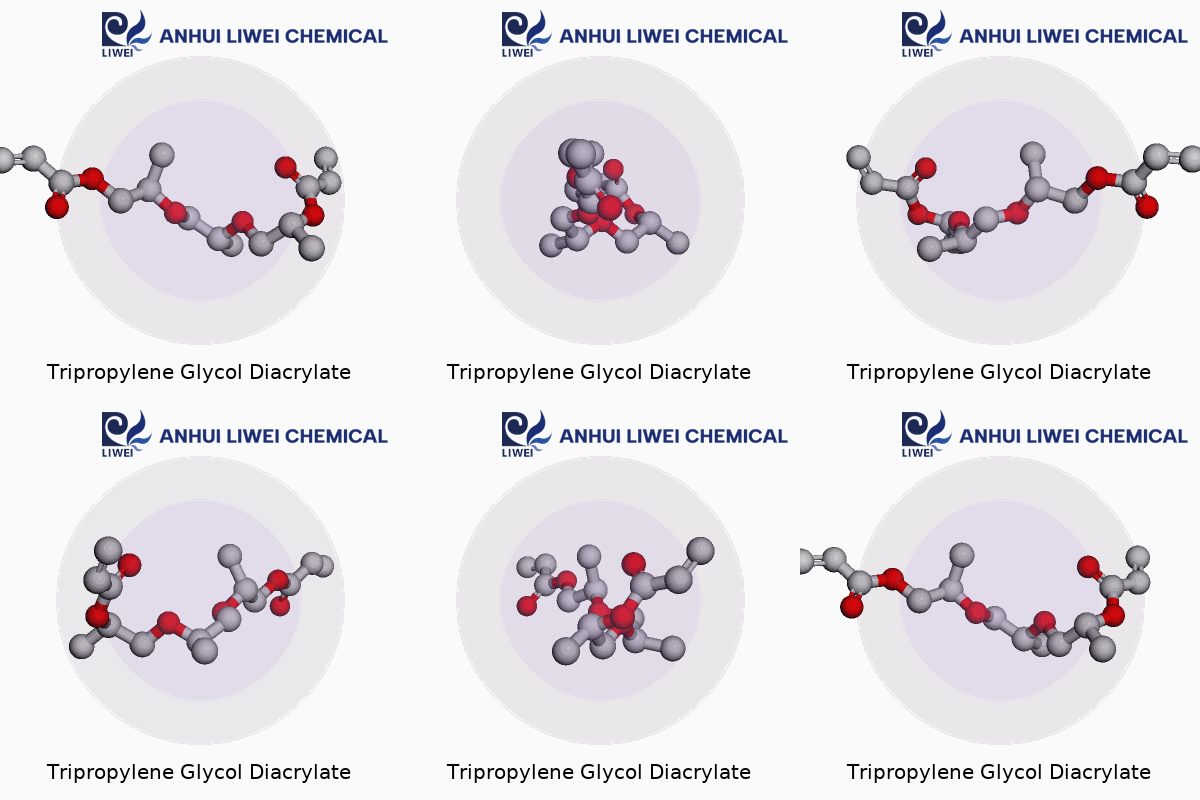
Understanding Tripropylene Glycol Diacrylate: An In-Depth Commentary
Historical Development
Long before high-tech coatings filled warehouses and factories, the search for versatile, durable ingredients laid the groundwork for modern-day chemistry. Tripropylene glycol diacrylate did not emerge overnight. Its path traces back to the mid-20th century wave of acrylate chemistry research, as industries needed components that could withstand abrasion and chemical stress. Companies, at first interested in basic acrylic monomers, slowly learned the benefits of adding propylene glycol chains, seeing improvements in flexibility and curing speeds. Decades of patent filings and incremental modifications led to today’s tripropylene glycol diacrylate, recognized for its performance in UV-cured applications. Older generations remember large, sweaty labs with limited safety protocols — a far cry from the precise monitoring and standards of present-day chemical manufacturing.
Product Overview
Tripropylene glycol diacrylate comes as a colorless to pale yellow liquid. Anyone who has mixed photopolymer resins knows its faint, characteristic odor—sweet, but unmistakably industrial. Producers use it for more than just its physical properties; its structure brings a balanced blend of flexibility and crosslink density, making it a favorite in graphic arts, adhesives, and specialty coatings. Unlike more rigid acrylates, it helps avoid brittle, chalky finishes, crucial in floor coatings and medical devices. From small independent formulators to global resin conglomerates, nearly anyone making advanced polymers has ordered a barrel or two.
Physical & Chemical Properties
With a molecular formula of C18H26O6 and a molecular weight hovering around 338 grams per mole, tripropylene glycol diacrylate’s physicochemical footprint shows up in its viscosity and density. It flows more freely than common resins, landing around 8-15 mPa·s at 25°C—handy for blending. Its boiling point runs well above 200°C, and it resists freezing down to well below zero. Storage often means closed containers to avoid the risk of spontaneous polymerization—oxygen and stabilizers like hydroquinone usually step in as safeguards. Its acrylate groups set up fast crosslinking under UV or peroxide initiation, key for manufacturers racing to fill client orders.
Technical Specifications & Labeling
Factories ship tripropylene glycol diacrylate under strict technical specification sheets. Labels commonly list the purity as greater than 90% by GC analysis, along with limits on water, acidity, and inhibitor content. Shelf life hinges on proper storage—direct sun or heat shortens stability, so manufacturers print expiration dates and conditions. Transport falls under UN and EU hazardous materials laws, with detailed labeling about skin and eye irritation risks. Over the years, certification bodies such as REACH and the EPA have tightened data requirements, so importers and end users need up-to-date documentation before the first shipment even clears customs.
Preparation Method
The recipe for tripropylene glycol diacrylate rarely changes: start with tripropylene glycol, react it with acrylic acid in the presence of an acid catalyst, often sulfuric acid or methanesulfonic acid. The process produces water, removed to drive the reaction forward, and the acrylation reaction typically runs at elevated temperatures with constant agitation. Workers have to monitor pH, temperature, and removal of excess acrylic acid; it’s easy to divert to unwanted polyacrylates without careful process control. Production lines routinely sample batches for chromatographic analysis—operational discipline separates high-purity grades from scrap.
Chemical Reactions & Modifications
Chemists value its two acrylate groups for reactivity. Exposing the compound to free-radical initiators (benzoin ethers, peroxides) sparks the rapid formation of three-dimensional polymer networks. These networks resist solvents and wear, exactly what’s needed in surface coatings or dental polymers. Sometimes, developers tweak the formula, attaching different glycols or altering acrylate ratios to adjust hardness or flexibility. Epoxy groups or isocyanates can join the mix for hybrid materials, showing just how creative product developers get when facing specific performance targets. Having worked with hands-on project leads, I’ve seen trial and error shape research more than any textbook recipe—they keep searching for the perfect balance of cure speed and end-use strength.
Synonyms & Product Names
Tripropylene glycol diacrylate goes by many names, depending on the supplier and context. You’ll spot the acronym TPGDA or descriptors like “diacrylate ester of tripropylene glycol” in many brochures. Some chemical registries use terms like “triallyloxypropane diacrylate,” though most manufacturers keep to TPGDA for brevity on container labels. Brand-specific variations might pop up, but they all share the core chemical backbone. It helps anyone comparing global suppliers to double-check CAS numbers to avoid unintentional product swaps—especially when mixing large-volume, critical batches.
Safety & Operational Standards
Anyone spending time on a shop floor will remember the chemical's biting fumes and the burn of accidental skin contact. Operational safety starts with ventilation, gloves, and eye protection—mandatory gear that keeps hospital visits at bay. Spilled TPGDA gets slippery in seconds, raising both physical and chemical risks. Workplace safety datasheets warn about its potential to irritate eyes, skin, and airways, and emphasize stringent handling measures. Regulatory frameworks like OSHA and EU directives require clear employee training and routine compliance checks. Some plants rotate staff when working with acrylates to limit chronic exposure. Over the years, responsible producers have backed these standards with ongoing research on long-term hazards—nothing replaces vigilance and proper gear in preventing problems.
Application Area
From offset inks in printers to scratch-resistant coatings on eyeglass lenses, tripropylene glycol diacrylate shapes a surprising range of products. Any shop using inkjet or flexographic inks likely keeps it on hand to speed up drying and harden prints. Optical labs, dental labs, and electronics manufacturers use it for forming tough, custom-cured layers on fragile screens or delicate medical devices. Product formulating engineers count on its ability to bring flexibility to UV-cured adhesives, avoiding cracking in devices that flex or vibrate in use. I’ve talked with photonics researchers who praise its transparency and resistance to yellowing under lamps—a quiet backbone in thousands of high-value items leaving worldwide factories every day.
Research & Development
Today’s research teams keep their eyes on sustainability and performance tweaks. A growing number of labs explore ways to source bio-based acrylate precursors, aiming to reduce carbon footprints without giving up reliability. R&D groups also play with photoinitiator combos and co-monomers, driven by industries demanding faster cures and lower residual monomers for health and safety compliance. Methods such as microreactor processing and in-line analytics have shortened development cycles that used to stretch for years. Groups at major universities partner with industry labs to rapidly screen new resin formulations for next-generation electronics, 3D printing, and biomedical devices. Fresh ideas and tight feedback loops fuel the iterative pace of modern chemistry.
Toxicity Research
Studies show tripropylene glycol diacrylate has moderate toxicity, largely based on its reactivity with skin and mucous membranes. Short-term exposure causes topical irritation, so regulatory agencies class it as a sensitizer and demand strong worker protections. Extended contact brings a risk of dermatitis or respiratory issues in sensitive populations. Toxicologists at chemical companies and independent research centers run repeated exposure studies on animals and cell lines, checking for signs of chronic toxicity or carcinogenicity. So far, acute exposure carries manageable risks if proper protocols hold, but researchers keep pushing for better alternatives or safer handling—reflecting shifting societal expectations about chemical safety at work and at home.
Future Prospects
Looking ahead, tripropylene glycol diacrylate may see demand rise in digital printing, additive manufacturing, and even wearable tech. The push for safer workplace practices and reduced environmental impact pushes chemical engineers to tune formulations for lower migration, faster curing, and bio-derived content. As more end-users seek low-VOC products, refiners develop purer, more specialized grades—reducing impurities and stabilizer requirements. Advances in automation and digital tracking raise safety and product quality at production plants. Having watched trends flow from automotive to consumer electronics, there’s little doubt chemistry around tripropylene glycol diacrylate will keep evolving, shaped by innovators balancing cost, performance, and responsibility to the environment.
A Look at Its Everyday Role in Manufacturing
Tripropylene glycol diacrylate (TPGDA) isn’t a household name. You won’t find it mentioned in consumer magazines or on news tickers, but plenty of industries depend on it every single day. I first stumbled across TPGDA in a small print shop, where a veteran technician explained how it played a major part in their UV-cured inks. He only half joked that without TPGDA, half the labels and packaging on store shelves would lose that crisp, glossy look that grabs a shopper’s attention.
Why TPGDA Matters in Printing and Coatings
The biggest demand for TPGDA comes from businesses focused on coatings, inks and adhesives. Unlike older solvents, TPGDA gives manufacturers a way to “set” materials quickly using UV or electron beam curing. UV-curable inks need a good balance between flexibility and toughness, otherwise labels peel off or crack with the slightest bend. TPGDA balances both. This chemical helps create a liquid ink that gets rock solid when light hits it, trapping color and texture on everything from plastic packaging to fancy magazine covers.
Data from market reports shows a steady uptick in the use of UV-curable products across Europe and North America. Stricter environmental rules have pushed companies to move away from strong-smelling, slow-drying solvents. I remember how the old print shop had to deal with heavy fumes in the past, but TPGDA-based inks and coatings meant ventilation improved and health complaints dropped. These resins let workers and manufacturers lower emissions and work with fewer hazards.
Adhesives That Hold Strong, Cure Fast
Manufacturers need quick fixes—literally. Assembly lines deliver precision with speed, so the glue used for laminating or joining electronic parts can’t slow things down. TPGDA acts as a crosslinking agent in adhesives. Chemically speaking, TPGDA has acrylate groups that snap together under a UV lamp, locking parts in place within seconds rather than hours. Electronics companies, furniture makers and automotive suppliers have leaned into this way of working because it saves time, increases output and lowers energy costs.
The Push for Safer, Greener Alternatives
TPGDA isn’t without drawbacks. It still comes from petrochemicals, and direct skin contact may lead to irritation or allergic reactions. The shift toward sustainability keeps turning up the pressure to develop new, greener acrylates and reduce chemical waste. Some companies have started using better exhaust systems and closed-loop recovery for fumes. For smaller businesses, swapping out gloves and using better training helps. If regulations tighten or safer substitutes offer similar performance, changes will follow. Until then, many industries rely on improved handling and low-exposure practices. This keeps the workplace safer while still delivering strong, reliable products.
The Bottom Line for Manufacturers
TPGDA underpins many things people take for granted–from medical devices that keep ink sterile and labels intact, to floor coatings in hospitals that stand up to years of foot traffic. Growth in e-commerce and smart packaging, plus expanding electronics markets, feeds a steady demand for materials that cure fast and last long. Watching the shift over the past decade, it’s clear that chemicals like TPGDA aren’t going away soon. For now, it stands as an essential part of the industrial toolkit, delivering performance and durability as long as manufacturers use it responsibly.
Tripropylene Glycol Diacrylate finds its way into factories and workshop shelves across a lot of industries. You bump into it in paints, adhesives, inks, sealants, even some electronics manufacturing. This liquid helps harden plastics and resins when exposed to UV light. Most people work around chemicals without thinking too much about what's in that drum or bottle, relying on a label or a quick googling. But the safety question—how risky is this stuff, really—matters to anyone who’s handled drums in a ventilated workshop or scraped resin off a glove after a day’s work.
Health Risks From Direct Contact
Tripropylene Glycol Diacrylate isn’t one of those household hazards that sneaks up from under our sinks, but that doesn't mean it plays nice. It irritates skin, eyes, and the respiratory tract if you get too close. Our skin is a decent barrier, sure, but this chemical can get through if it sits long enough. Redness, burns, stinging eyes—these symptoms often show up for printers, painters, and anyone mixing epoxies or working on industrial coatings by hand. I recall seeing a colleague lose sensitivity in his fingers after working with acrylates bare-handed, thinking he was safe because he'd washed quickly. The pain stuck around for weeks.
Inhaling fumes in an unventilated spot creates a new set of problems: headaches, sore throats, even coughing fits or worse, especially after hours on the job. The deeper risk is repeated exposure. There’s documentation in papers by the US National Library of Medicine and PubChem. You see “sensitizer” tossed around—a word that should perk up anyone who keeps refilling bottles of this stuff. Once you’re sensitized, even lingering traces might trigger allergy-like reactions every shift after.
Cancer and Long-term Concerns
Tripropylene Glycol Diacrylate hasn’t been classified by agencies like IARC as a proven human carcinogen. Still, just because a label reads “not classifiable as to carcinogenicity” doesn’t mean it’s risk-free in the long haul. Most of the concerns center on long-term exposure to acrylates in general, since repeated skin or lung contact with similar compounds has been linked to chronic eczema, asthma, and lowered resistance to other workplace irritants. A 2021 study in Environmental Health and Preventive Medicine pointed out the immune system changes in workers who handle acrylate monomers every week.
Protecting Workers and Everyday Users
The health risks from Tripropylene Glycol Diacrylate take root in lack of knowledge, poor habits, and missing safety gear. Gloves matter—not the cheap ones, but chemical-resistant varieties. So does proper ventilation. I’ve seen old shops rig garden fans in windows, but real fume hoods do the job better. Shortcuts in washing up or in substituting gloves for bare hands add up after months and years. A lot of workers still eat lunch without washing after using chemicals because their shop has no dedicated wash area.
There’s room for better labeling and training, especially for newcomers and small enterprises without dedicated safety officers. Clearer warnings and workplace instructions aren’t a nice-to-have; they’re the difference between a minor rash and a full-blown skin allergy that sticks around for the rest of your career.
Tripropylene Glycol Diacrylate can be handled safely, but respect for the risks can’t stay buried in paperwork. Up-to-date Safety Data Sheets (SDS) should sit within arm’s reach. Small businesses can source affordable safety goggles and gloves if they know what to look for. If symptoms show up—persistent skin changes, trouble breathing—it means taking a break from the work and finding a doctor with chemical exposure experience.
No one wants to turn the job they enjoy into a health risk that shadows them home every night. Practical habits, some basic investments in safety, and solid knowledge keep both workers and the communities around these workplaces safe.
Putting Tripropylene Glycol Diacrylate into Perspective
Tripropylene Glycol Diacrylate goes by the chemical formula C18H30O6. For people who deal with specialty chemicals, that formula holds real weight. Products like this show up in a lot of places – from the adhesives that fix fractures in the shop to the coatings that toughen floors in home garages. Not everyone knows what those letters and numbers mean, but for those who spend their days around resins and coatings, it can signal performance, health considerations, and cost.
A Closer Look at the Structure
This compound sports two acrylate groups and, as the name promises, a base of tripropylene glycol. That structure gives it flexibility and reactivity – it cures under UV light or heat, which makes it attractive for fast, reliable production in printing and electronics. Most manufacturers look at those characteristics and think about speed and efficiency. In my work with industrial clients, I’ve seen how changing the crosslinking agent, even slightly, can affect the final product’s hardness and resilience, so picking the right version matters more than a recipe copied from a spreadsheet.
Why This Formula Is More Than Just Chemistry
Formulas like C18H30O6 aren't just technical trivia. They influence environmental guidelines, regulatory paperwork, and workplace safety – things most people notice only when something goes wrong. Exposure to acrylates can cause skin irritation or respiratory issues. Factories that build safety protocols often look to the chemical formula to work out which handling gear is needed. Whenever a plant manager asked about this acrylate, I’d stress the need for gloves, adequate ventilation, and regular training. These routines aren’t just bureaucratic boxes; they're practices that protect real people each day.
Why Industry Returns to This Formula
Tripropylene Glycol Diacrylate draws repeat business because it’s both a workhorse and a specialist. Its molecular chain lets it bring flexibility without sacrificing durability. Floor coating specialists, printing shops, and even some dental labs appreciate how it delivers consistent results. My experience in material science circles taught me that industrial users choose this diacrylate formula when they want smooth curing under UV, plus a finished product that stays tough under real-world wear.
Current Challenges and What Could Change
Acrylate-based products like this face scrutiny over worker safety and environmental runoff. As regulations tighten, manufacturers might shift toward bio-based or less reactive alternatives. Some early moves in research labs are showing promise, with plant-derived diacrylates beginning to find small pilot applications. Companies that adapt quickly will likely avoid the pain that comes from delayed compliance or product recalls.
Solutions for Smarter Use
Getting the most from a compound like Tripropylene Glycol Diacrylate takes investment in both research and worker safety. Reviewing supply chain data for purity, investing in exposure control, and supporting ongoing staff training help smooth out problems before they turn into costly surprises. In my experience, consulting with specialists who focus on hazard communication and sustainable chemistry provides a bigger payback than chasing after every new formula the market serves up. With smart planning, it’s possible to enjoy the benefits of performance chemistry without shortchanging health or the environment.
Direct Experience Matters in Chemical Storage
Many labs and factories rely on Tripropylene Glycol Diacrylate, especially those that make coatings, adhesives, or inks. Having spent time in environments where a small spill could cost thousands or halt production, I know firsthand that storing chemicals the right way isn’t just about manuals — it’s about real-world vigilance. This compound, clear and oily, can surprise newcomers with its sensitivity to light, air, and heat.
Sturdy Storage Keeps Workplaces and Staff Safe
Tripropylene Glycol Diacrylate needs a stable resting place. People sometimes underestimate liquid chemicals, thinking a regular storeroom does the trick. Fact is, temperature swings can start reactions you don’t want. Warmth speeds up oxidation and polymerization, sometimes turning a shelf-stable product into a safety hazard or a batch of stone. Keeping it at room temperature — ideally between 15°C and 25°C — goes a long way. I've seen temp-controlled rooms save products during heatwaves that left other storage areas in panic mode.
Light is another enemy. Ultraviolet rays can kick-start chemical changes. Opaque drums and containers can block exposure, but staff must stay consistent. More than once, I’ve seen production lines grind to a halt because someone left drums under skylights. Out of sight, out of mind definitely does not work here. Choosing a storage area without direct sunlight — with proper labeling and organization — lowers the risks without slowing anyone down.
Seals and Containers Take Center Stage
Open a container and air rushes in. Even a short amount of time uncovered exposes this compound to moisture, which jumpstarts polymerization or leads to clumping. Snap-tight seals, which I always prioritize, stop this from happening. Staff sometimes get casual, thinking a quick pour and a loose cap will suffice for short stints — but this kind of shortcut causes long-term problems. Investing in containers approved by chemical suppliers and training staff to check the closure saves a ton of grief in maintenance and replacement costs.
Why Ventilation and Spill Response Plan Matter
Inhaling vapors from acrylate compounds can trigger a headache or worse. I’ve worked in rooms where the absence of a proper exhaust hood turned minor slip-ups into full-blown emergencies. Modern standards encourage mechanical ventilation and fume extraction near storage points, which protects not just health, but morale on the floor. Acclimating new team members to read the material safety data sheet on day one should not be negotiable. Good practices breed confidence and trust, which has ripple effects on productivity.
Respecting Regulations and Training
Governments require safe handling, but those regulations play catch-up with daily realities. Regular on-site training, routine audits, and drills on spill response turn compliance into a habit rather than a box-ticking exercise. In my own experience, a well-organized chemical store signals that a company puts safety first and respects both product quality and worker wellbeing. Keeping Tripropylene Glycol Diacrylate safely stored might sound simple, but the difference between a disciplined setup and a haphazard one shows fast under pressure.
Smart Storage Protects the Whole Operation
Safe storage of chemicals like Tripropylene Glycol Diacrylate rewards attention to detail. Right temperature, protection from light, airtight containers, and regular training form a frontline defense. It’s not just about avoiding fines or keeping inspectors happy — it’s about respecting the job, the people, and the future quality of every product that rolls out the door. That kind of consistency brings peace of mind no manual alone can deliver.
No Time for Risks: Respect Goes a Long Way
Tripropylene glycol diacrylate (TPGDA) sounds like a mouthful, but what it really boils down to is a strong chemical that triggers reactions in countless industrial products. Anyone who has worked around resins, inks, or specialty coatings has seen TPGDA turn liquids into tough, finished surfaces. The flip side? This chemical doesn't ask permission before irritating your skin or lungs.
Personal Protection Isn’t Just a Suggestion
I've watched folks skip gloves because they're in a hurry. The redness, itching, and lingering rash afterward is a solid reminder TPGDA soaks right through most sloppy barriers. A decent pair of nitrile gloves shields skin without falling apart after two minutes. Goggles stay etched in my memory after a near miss in college—splashes happen fast, and eyes don't get do-overs.
Decent protective gear covers more than hands and eyes. Lab coats, a dedicated apron, or even a disposable suit protect arms and regular clothes. Chemical-resistant footwear beats sneakers every single time. One foot in a sticky, acrylate-laced puddle will make that clear.
Ventilation Means Everything
Good air changes the game. TPGDA off-gasses, especially when mixing or pouring, so a cramped storeroom or corner workshop turns downright dangerous. Even basic fans pushing air away from the face or—better—a real fume hood, means you aren’t breathing in what you can’t see. Stuffing your nose in your shirt collar doesn’t cut it.
No Eating or Drinking Near the Stuff
I’ve seen old hands grab a sandwich at their workstation, brushing crumbs off a bench still streaked with TPGDA. It only took one round of stomach pain, and an urgent trip to the doc, to drive home the point. If you eat or drink near spilled acrylates, you risk swallowing contaminants. Moving snacks and water bottles away from the workspace is just common sense.
Respect the Labels and Follow the SDS
Those diamond-shaped hazard labels aren’t there for show. TPGDA carries GHS warnings for skin and eye irritation and possible respiratory sensitization. The safety data sheet (SDS) explains spill cleanup, storage temperatures, and first aid steps that could save a lot of pain. Posting the SDS in plain sight makes information available in a pinch, especially during splashes or leaks.
Spill Response: Don’t Delay
Somebody will eventually dump or drip a bit of TPGDA. Paper towels just spread it around and force more contact. I reach for absorbent pads meant for chemicals and wear gloves every time. Once the mess is gone, a proper soap and water scrub on skin or surfaces drops the odds of lingering residue and unwanted reactions. Good waste bins, labeled for hazardous material, keep these soaked towels out of the regular trash.
Training and Mindset Save Future Headaches
No checklist or warning can make someone value safety if they’re thinking of shortcuts as a badge of honor. Clear, regular training helps—short safety talks before shifts, real-life stories, even goofy looking demonstration videos—that stuff sticks more than a dry manual. Supervisors and team leads who model glove use, proper cleanup, and frequent handwashing set the tone. Workers see the difference and recognize shortcuts are a risk to their paychecks, not just their skin.
Preventing Long-Term Harm
I’ve met colleagues who developed sensitivity to acrylates after years of repeated, minor contact. They had to change jobs after developing rashes from the faintest whiff. Preventing daily contact, using extraction fans, and reading the SDS with fresh eyes each year gave me a long career in labs without serious incidents. That’s how you keep both productivity and health intact—by handling TPGDA with as much respect as anything else that bites back.